The current state of AI
Hello again! In this blog post, we will look at the technology behind “AI” as we know it today, in 2025. That is, generative AI like ChatGPT and Google Gemini.
LLMs and GPT
In 2017, the “transformer” architecture was proposed by Google engineers in their paper “Attention is All You Need”. This mechanism converts text to numerical representations called tokens, and each token is converted into a vector. This mechanism allows text to be predictively generated, using a large corpus of training data.
In their survey paper, Roberto Gozalo-Brizuela and Eduardo C. Garrido-Merchán lay out some of the main applications of generative AI that we see today.

First, there is the conversational use case. This is a much more advanced version of the same chatbot idea that ELIZA aimed for in the 60s. ELIZA walked so GPT chatbots could run. Personally, I use AI like an all-knowing tutor. If I have a question about anything I’m studying, AI can answer it 99.9% of the time. It may not always be correct, and when I have doubts, I do my own research to verify things.
As a text generator, GPT is able to write in a simulated style of famous authors. This is because it has been trained on huge corpuses of different authors’ works. As Gozalo-Brizuela and Garrido-Merchán note, AI is also able to help with writing, such as GrammarlyGO’s writing assistant being “able to write drafts, outlines, replies and revisions” (Gozalo-Brizuela, Garrido-Merchán 6).
Aside from text generation, AI can also generate images and videos, ranging from artistic styles, to photorealistic. I’m sure you have seen many examples of AI art, as they have been flooding social media apps. Something I am curious about is, will AI one day be able to create videos that are indistinguishable from recordings of real life? Nowadays, it is still pretty easy to tell when something is AI-generated. It has a distinctive, slightly uncanny look about it.

Gozalo-Brizuela and Garrido-Merchán also note that AI is able to help developers write code (9). “Vibe-coding” is on the rise, which is when you essentially tell GPT what kind of program/software/output you would like, and it will try its best to create it for you. I used it recently in one of my classes to create a visual demonstration of a math concept. It was really impressive how good of a job it did, with hand-holding. And it is able to understand me remarkably well, for example when I point out a specific area for improvement, AI is able to contextually pinpoint where it is.
In fact, many software engineers are concerned that AI will take over some of their jobs. The current SWE job market doesn’t look good for entry-level jobs, perhaps because a lot of their traditional responsibilities can be handled by AI.
Since AI is already generating art in the form of images and videos, in the future could it create music too? Or how about TV series or movies? What if one day, we could just write a prompt for AI, and it will generate an entire episode of a TV series? This would likely have a huge impact on the entertainment industry.
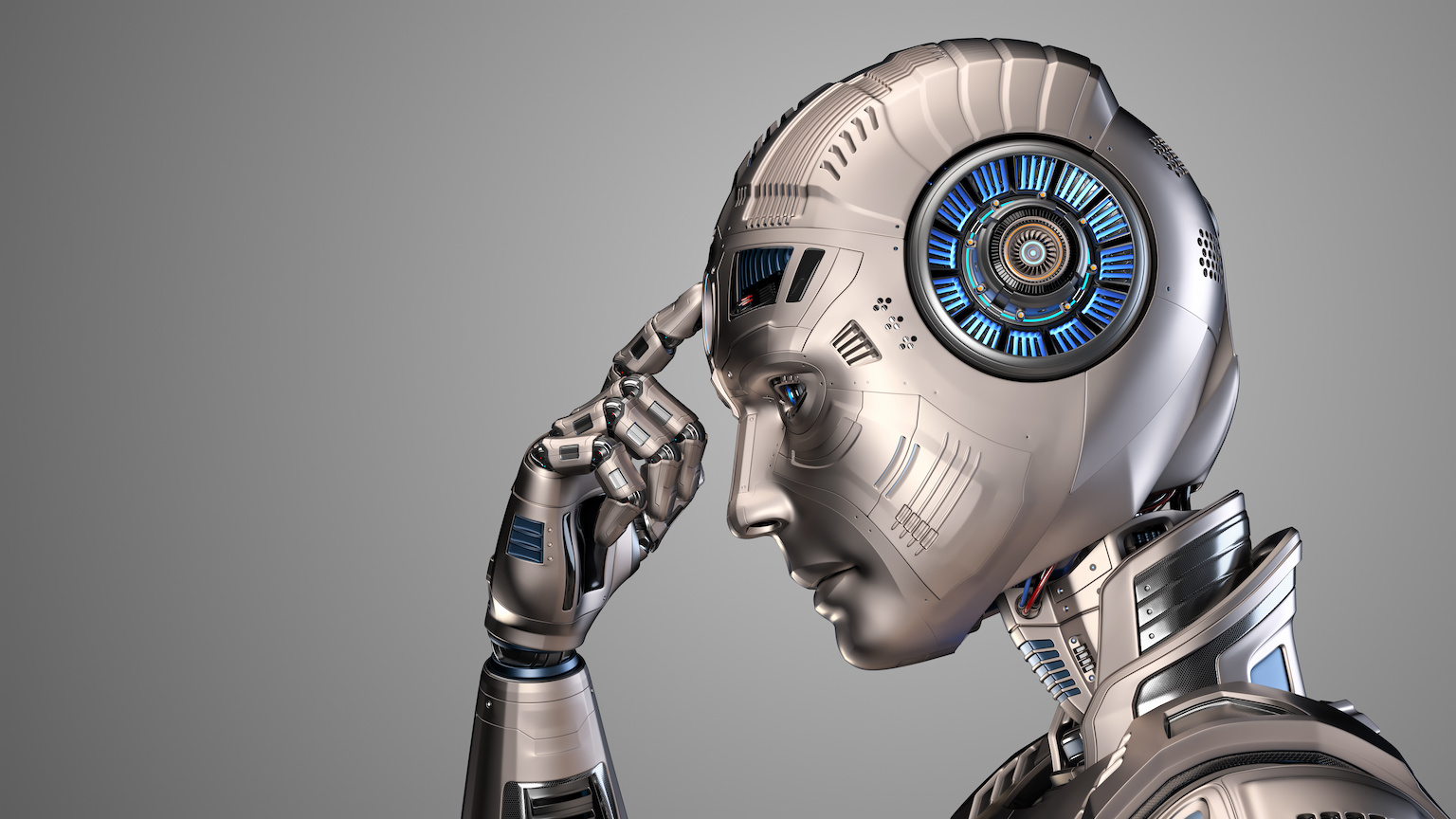
And how about the age-old question of AI sentience? Is it possible that AI could become conscious one day? Could it be that it is already conscious, in some sense? Speculative science fiction is looking more like real life every day.


Comments
Post a Comment